Abstract Noun Worksheets for Kids

Abstract nouns name ideas, feelings, qualities, or states that we cannot hold as physical objects. Abstract Noun Worksheets for Kids help children identify these words, connect them with familiar situations, and use them in sentences. Effective worksheets move from examples such as joy and kindness to sorting, sentence building, and personal use. This guide offers an age-aware sequence, word set, answered activity, and adaptations for multilingual children.
📥 Abstract Noun Worksheets for Kids
A step-by-step practice pack for recognizing, understanding, and forming abstract nouns
Leave your email — we'll send the PDF to your inbox.No spam — the PDF plus one short reminder. Unsubscribe anytime.
What Children Need to Know First
A concrete noun names something we can see, hear, touch, smell, or taste: apple, music, or rain. An abstract noun names something less physical: hope, silence, or growth. Context matters. We can hear laughter, yet laughter can name the act or idea of laughing.
An abstract noun performs the same grammatical work as another noun. It can be the subject in “Patience takes practice,” or the object in “The child showed courage.” This sentence test is more reliable than asking only whether a word can be touched.
English words may change roles by sentence. In “We love stories,” love is a verb. In “Their love of stories grew,” it is a noun. Skip the long grammar lecture. Ask what job the word performs and let the sentence answer.
Building a Useful Worksheet Sequence
Abstract Noun Worksheets for Kids need one purpose per page. Begin with recognition, continue with sorting, then ask the child to complete or create sentences. Mixing every task type can obscure whether difficulty comes from vocabulary, instructions, or grammar.
This table gives families a compact teaching set. The categories are tools for discussing meaning, not boxes to memorise.
After the table, choose six to eight words instead of testing the whole set. Ask the child to explain each through a situation: “What could kindness look like at home?” Accept an example before requiring a formal definition. Meaning remains central.
Examples and Expectations by Age
Abstract Noun Worksheets for Kids should match the learner’s language, reading skill, and developmental stage. Age is a guide. A multilingual seven-year-old may understand a complex idea in another language without knowing its English label. That is a vocabulary gap, not a thinking gap.
For ages 4 to 6, start orally with familiar feelings and qualities: happiness, sadness, love, fear, and kindness. Read one short sentence, show a situation, and let the child point, act, or answer aloud. A page with four items and large spaces works better than a dense list.
For ages 7 to 10, add sorting and sentence completion with patience, honesty, friendship, and curiosity. Learners aged 11 to 15 can compare meanings, examine word families, and discuss context: confident–confidence, free–freedom, or wise–wisdom. Older learners can explain why one noun fits better than another.
How to Use the Pages at Home
Use Abstract Noun Worksheets for Kids in short, focused sessions. Read the target words, model one question aloud, and let your child complete a small group of items. Discuss the answers before continuing. Ten attentive minutes can achieve more than finishing a long page while tired.
When an answer is wrong, address meaning before spelling. If your child selects chair as an abstract noun, ask, “Can we point to a chair in the room?” Compare it with comfort: a chair may provide comfort, but comfort is the feeling or state.
Practice: Find the Abstract Noun
Ask your child to identify the abstract noun in each sentence. Two sentences have no abstract noun.
- Courage helped the child speak to the group.
- The blue cup is beside the plate.
- Friendship can grow through shared games.
- The team cheered with excitement.
- Honesty matters when a mistake happens.
- The puppy slept under the chair.
- Their curiosity led to many questions.
- Peace returned after the argument ended.
Answers: 1. courage; 2. none; 3. friendship; 4. excitement; 5. honesty; 6. none; 7. curiosity; 8. peace.
Finish with one original sentence. Offer a frame if needed: “I showed patience when ___.” Across LearnLink lessons, our experienced tutors use prompts, examples, and follow-up questions to move children from recognition to independent use.
Practical Activities Beyond the Page
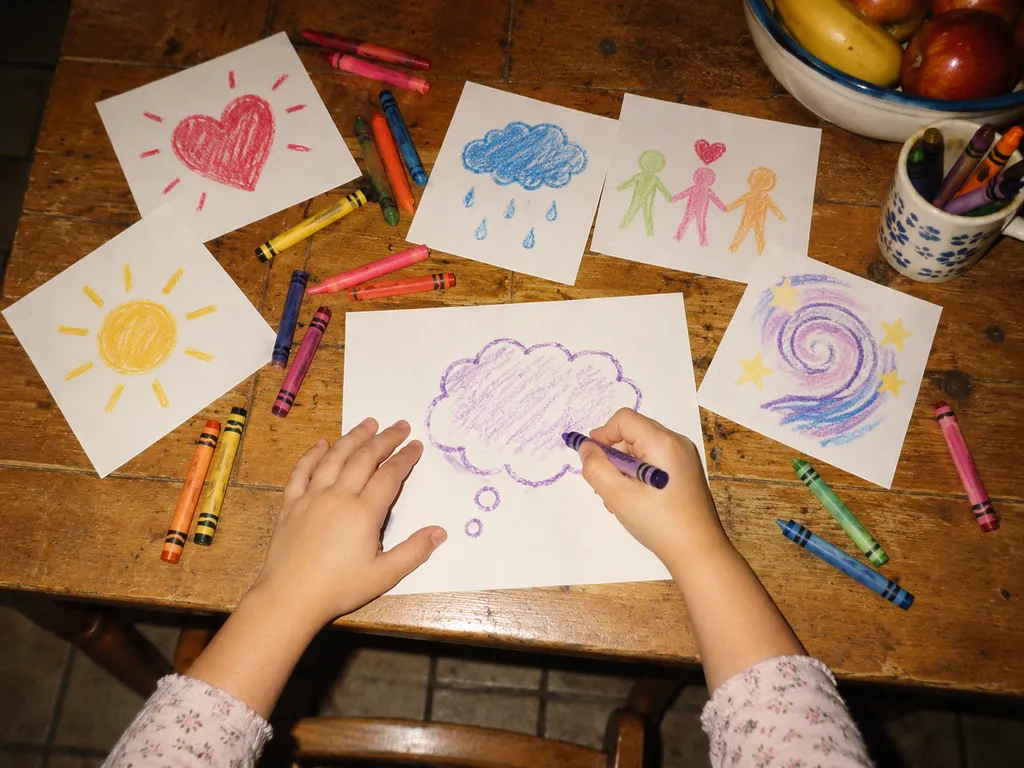
Turn a story into an abstract-noun search. Ask which feelings or qualities shaped events. A character may show bravery, lose confidence, or learn responsibility. The child should identify an action supporting the choice, linking an unseen idea to textual evidence.
Try a word-family challenge with older children. Write an adjective or verb on one side of a page and request its noun form: kind–kindness, decide–decision, curious–curiosity, and improve–improvement. Use both forms in sentences. The contrast shows why spelling changes matter and prevents memorisation without context.
For multilingual families, compare concepts across languages without translating every task. Discuss whether one language uses a single word where another needs a phrase, then return to an English sentence. Abstract Noun Worksheets for Kids support comparison, while drawing, acting, and real examples strengthen recall.
- Try sorting ten household words into abstract and concrete noun groups.
- Use Abstract Noun Worksheets for Kids after reading one short story together.
- Ask children ages seven to ten to explain five feelings with examples.
- Practice replacing five adjectives with related abstract nouns during family conversations.
- Create a weekly noun hunt using one picture book and colored notes.
For the rule wording, Wikipedia — English Grammar is a useful reference while the practice examples here stay adapted for children.
Frequently Asked Questions
When Should a Child Start Learning Abstract Nouns?
Children can explore abstract nouns once they can discuss familiar feelings and behaviour. For younger learners, use love, joy, and kindness in spoken examples instead of formal definitions. Older children can classify the words and study their sentence roles. Language readiness matters more than a fixed birthday.
How Can I Explain the Difference from Concrete Nouns?
Place two nouns in one situation: “The gift brought happiness.” The gift is a physical object; happiness names a feeling. Ask whether the child can point to the thing or must explain it through actions, thoughts, or feelings. Check the word’s sentence role because the senses test cannot solve every example.
Should Multilingual Children Translate Each New Word?
Translation can confirm meaning, but cannot complete the lesson. Abstract ideas may not match neatly across languages. Let your child give an example in any shared language, attach the English word to it, and use the word in an English sentence. The sequence respects existing knowledge while linking the concept directly to its English form.
How Often Should Families Use Worksheets?
Use Abstract Noun Worksheets for Kids as part of regular practice, not the whole lesson. A short page once or twice a week supports review when the words appear in stories, conversations, and games. Revisit difficult nouns after a few days and vary the task. Move from recognition to explanation, then independent sentence use.
Start your child's English journey today — book a trial lesson with LearnLink.
Stay updated on our latest tips and resources by following us on Instagram LearnLink.